

The New UK Event Map: Secondary Cities Stepping Up
For ages, London has been the UK’s events hub – a magnet for corporate events, with world-class venues and unrivalled prestige. But now,starting in 2026, London’s grip on the UK’s events scene is finally loosening. With costs rising in the capital and the way people think about events shifting, event planners are starting to look beyond London’s skyline.
A whole new era is unfolding – one where Manchester, Birmingham, Edinburgh, and Liverpool are no longer just back-up options but destinations in their own right. These secondary cities are getting a lot busier, thanks to better transport links, upgraded venues, and a growing desire for authentic, genuine experiences. For event planners, this change isn’t just about saving money – it’s about unlocking real value, creativity and impact.
For Unique DMC UK, this trend is a game-changer and a chance to show off the diversity of the UK beyond London. The rise of secondary cities for UK events 2026 is fundamentally changing the way organisations think about ROI, attendee engagement and destination selection – and the momentum is only getting stronger.
Why are Secondary Cities on the Rise in 2026?
The shift towards regional destinations has a lot to do with the way the economy and audience expectations are both shifting.
London’s rising costs – accommodation, venue hire, transport – makes capital-centric events increasingly hard to justify, particularly for big groups or multi-day events. At the same time, event planners are under pressure to deliver more bang for their buck, more creativity and more measurable results. Secondary cities offer a pretty compelling deal: world-class facilities at a fraction of the cost, without sacrificing on the experience.
But it’s not just about the money – attendees are craving authenticity, local culture and experiences that feel unique rather than predictable. Manchester’s creative vibe, Birmingham’s food scene, Edinburgh’s rich history and Liverpool’s cultural swagger offer something London can’t match – a genuine sense of place that feels down-to-earth, human and memorable.
Infrastructure investment has also played a huge role. Over the last decade, these cities have been transformed with new venues, upgraded transport, more hotels and revitalised areas designed specifically to support big events. The result is a regional landscape that feels modern, connected and ready for the world.
In this context, the rise of secondary cities is not just about cutting costs – it’s a fundamental evolution.
Manchester: The North’s New Hub for Corporate Events
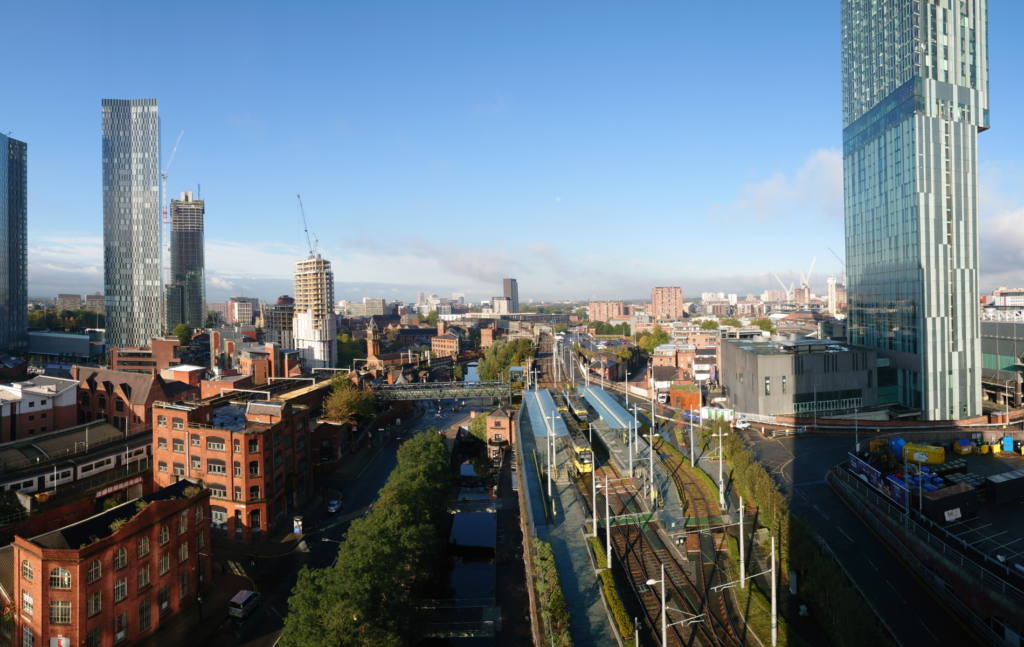
Manchester has become one of the UK’s go-to corporate event destinations, thanks to its perfect blend of innovation, culture and world-class infrastructure. As a major player in tech, media, sport and academia, the city offers a seriously compelling mix of venues and experiences that appeal to both corporate and leisure groups.
The upgrade of Manchester Central, the opening of new hotels and the transformation of areas like Spinningfields and MediaCity has positioned the city as a real contender for big events. And with fast, direct flights and great rail links, it’s accessible for international visitors too.
For planners looking for Manchester corporate events that combine value with energy, the city is a great bet: premium experiences without the London price tag, and a cultural identity that feels fresh, modern and world-class.
Birmingham: A Conference Destination on the Up
Birmingham has undergone one of the most incredible urban makeovers in the UK. Once known as a industrial centre, it’s now a thriving business and cultural hotspot with a rapidly growing MICE scene.
The city’s conference infrastructure is top-notch. The ICC Birmingham is one of the UK’s leading venues, and new hotels, creative spaces and redeveloped areas have broadened its appeal. Birmingham’s food scene – now one of the most exciting and diverse in the country – adds an extra layer of experience for corporate groups.
Its central location makes it perfect for national and international events, with fast rail connections and an expanding airport. For organisations looking for Birmingham conference destinations that balance scale, accessibility and affordability, the city is an increasingly obvious choice.
Edinburgh: Heritage, Prestige and State-of-the-Art MICE Capability
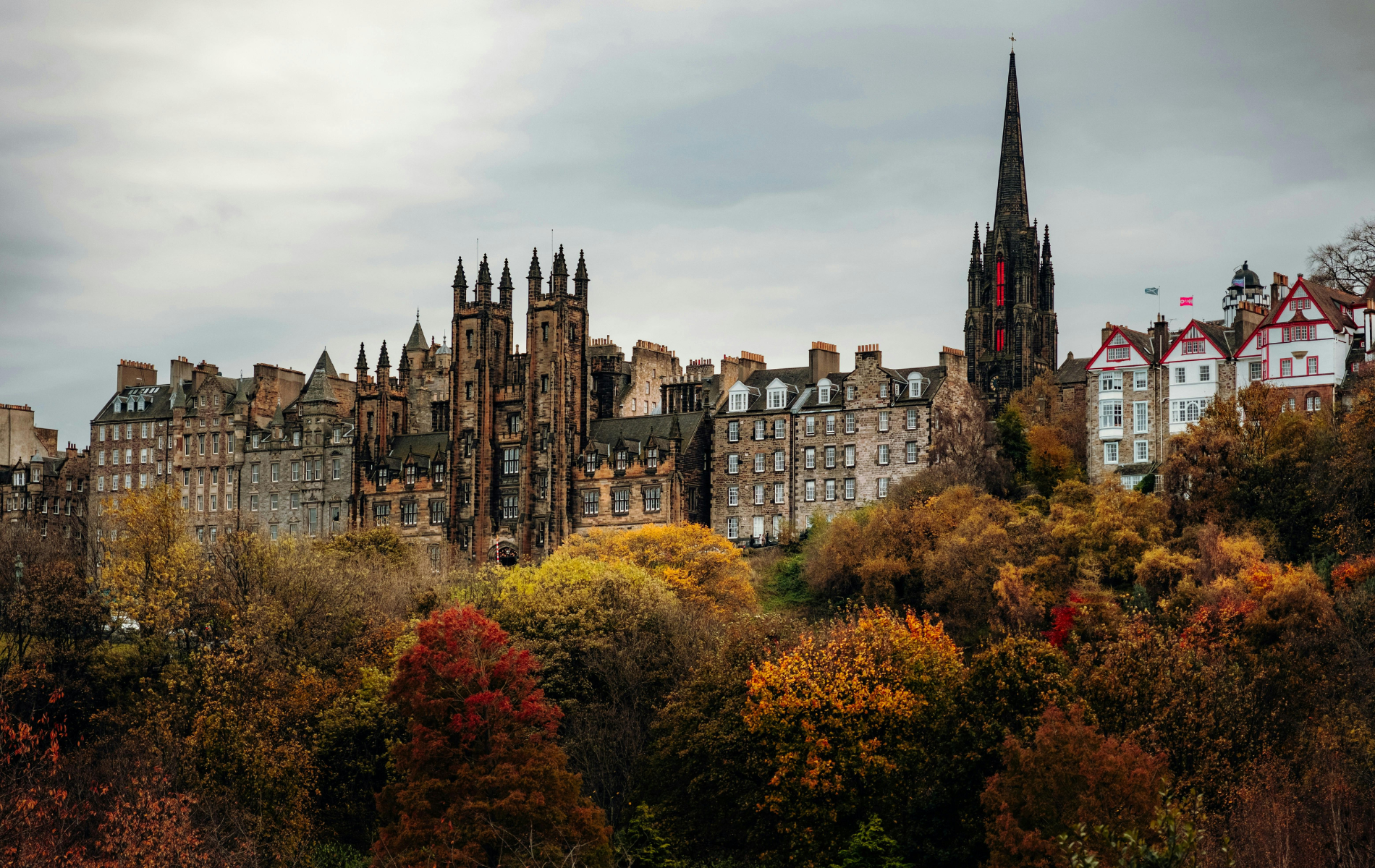
Edinburgh has long been a favourite for incentive travel and high-end corporate gatherings, but recent investment has taken its MICE offering to new heights. The city’s unique blend of historic architecture, cultural prestige and modern infrastructure makes for a compelling events environment.
New and upgraded Edinburgh MICE venues – from contemporary conference centres to heritage-rich spaces – offer planners a wide range of options. The city’s hotel landscape has expanded significantly, with luxury brands and boutique hotels enhancing its appeal for premium groups.
Edinburgh’s international connectivity, combined with its walkable city centre and iconic backdrop, makes it the perfect destination for corporate and leisure travellers looking for a city that feels both elevated and intimate.
Liverpool: Culture, Creativity and Waterfront Energy
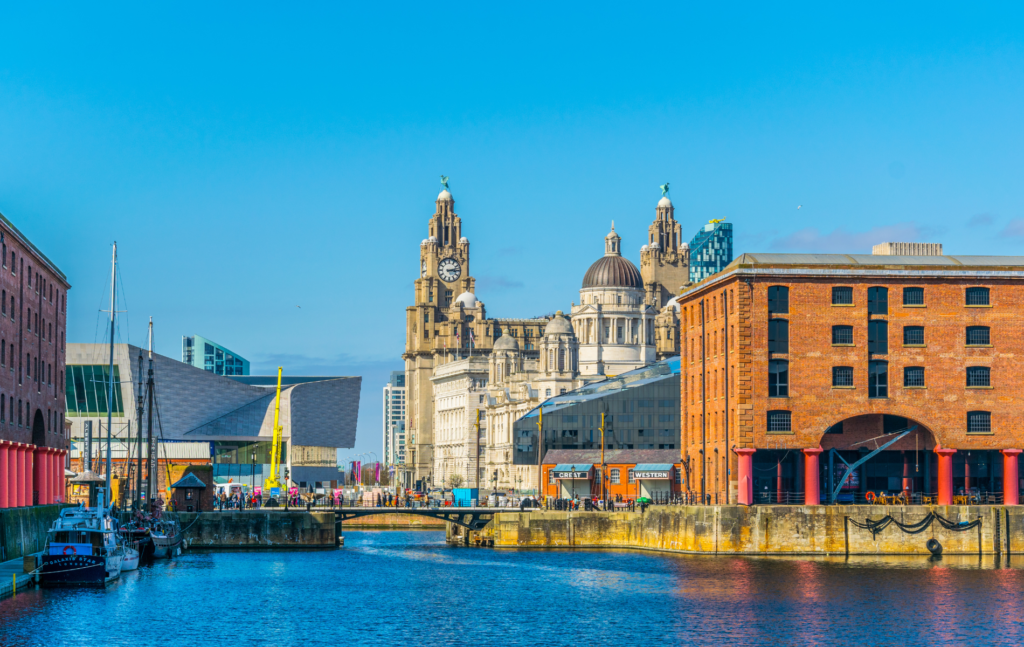
Liverpool has turned out to be one of the UK’s top event destinations, thanks to its rich cultural heritage, its legendary music scene, and a total regeneration of its waterfront. The ACC Liverpool campus – which is home to the convention centre, the exhibition centre and the arena – has really put the city on the map as a major player in the meetings, incentives, conferences and events (MICE) market.
But it’s not just the venues themselves that make Liverpool such a popular choice – the whole city has got a personality that’s really warm and welcoming. Its museums, galleries and music scene all give off a buzz that’s hard to replicate anywhere else.
For event planners looking for a top-notch regional DMC (Destination Management Company) service, Liverpool has got a lot to offer – it’s great value for money, has got a strong infrastructure and a cultural heritage that really gets to the heart of what an event is all about.
Connectivity Improvements Drive Regional Growth
One of the key factors driving the growth of the UK’s secondary cities is their improved connectivity. We’re talking high-speed rail links, bigger airports, upgraded motorways and better regional transport networks – all of which make it a whole lot easier for inbound groups to get from one place to another around the UK.
Manchester Airport is still expanding, Birmingham’s got a brand new rail link, Edinburgh’s introduced some fantastic international routes and Liverpool’s improved its regional links – all of which have made it easier for event planners to choose from a wider range of regional programmes. The upshot is that planners have got more choice and more confidence in the reliability of the regional events scene.
Venue Expansions & Infrastructure Upgrades
Across the UK, the secondary cities have been investing a small fortune in their MICE infrastructure. We’ve got new conference centres opening up, expanded exhibition halls, heritage venues being renovated and modern hotels springing up – all of which have really transformed the face of the regional events scene.
And it’s not just a case of increasing the capacity – the quality of the venues has also gone up a notch. Planners can now get access to venues that are every bit as good as – if not better than – those in London, and at a fraction of the cost. That’s got to be good news for any organisation that’s looking to make a real impact without breaking the bank.
The ROI Advantage of Regional Event Strategies
The financial benefits of shifting from a London-centric events programme to a regional destination are massive. You can save a fortune on accommodation, venue hire, catering and transport costs by holding an event outside of London, which means you can really stretch your budget and make your event money go further.
But the ROI advantage doesn’t just stop at saving money – regional destinations offer a host of other benefits that can really make a difference to the success of your event. For example:
– Higher attendee engagement, thanks to the unique and authentic environments that regional cities offer
– More flexibility in dates, venues and programme design
– Stronger local partnerships, thanks to the expertise of the regional DMC
– Reduced travel fatigue, thanks to shorter transfers and more walkable city centres
– More memorable experiences, rooted in the local culture and identity of the city
For corporate and group leisure travel, these advantages really add up to programmes that feel more impactful, more distinctive and more aligned with modern expectations.
How Unique DMC UK Supports the Secondary City Surge
As a specialist in inbound corporate and group leisure travel, Unique DMC UK is in a unique position to help organisations tap into the potential of the regional events scene. With a deep understanding of the local markets and a wealth of experience in curating programs in Manchester, Birmingham, Edinburgh, Liverpool and beyond, the team can help planners create events that are a real hit with delegates.
Unique DMC UK supports planners by:
– Identifying the perfect secondary city for each event’s objectives
– Designing multi-city or regional itineraries that really make the most of the local scene
– Leveraging local partnerships to get access to top-notch venues and experiences
– Coordinating logistics across transport, accommodation and activities
– Creating programs that really bring the local culture and identity to life
The end result is a new generation of UK events – ones that are more flexible, more authentic and more strategically aligned with the needs of 2026.
A New Chapter for UK Corporate & Leisure Travel
The growth of the secondary cities is a real turning point in the UK’s inbound events landscape. It reflects a broader shift towards value, authenticity and regional diversity – and it acknowledges that world-class events aren’t just confined to London any more. It also shows that the UK’s strength lies not just in London’s global appeal, but in the real richness of its regional cities.
As we approach 2026, the organisations that get on board with this shift are going to unlock a whole new world of opportunities for creativity, connection and ROI. The future of UK events isn’t just about one city – it’s about many, each with its own story, its own energy and its own potential.