



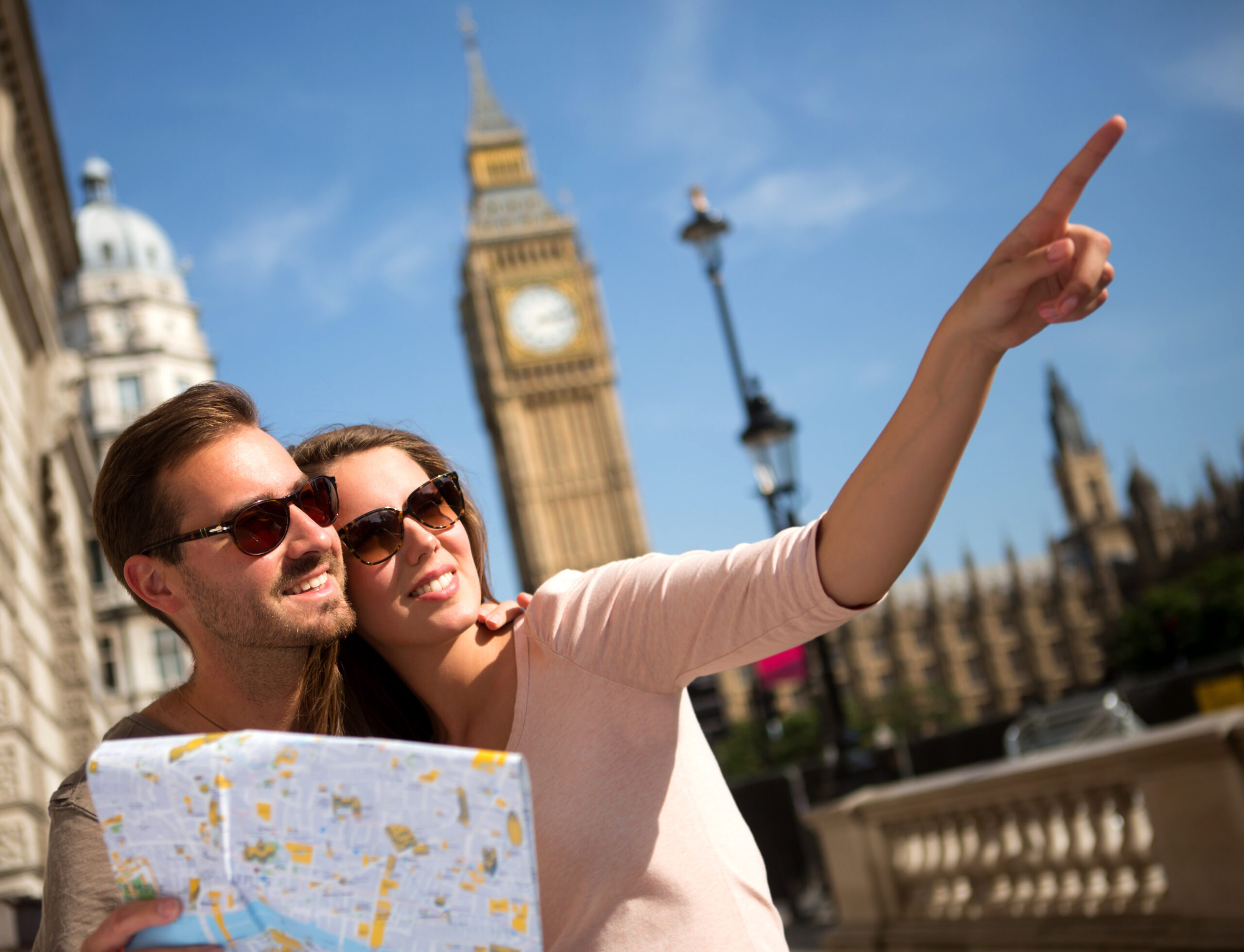
How to Plan the Perfect First Trip to the UK
There are very few countries that can hold a candle to the United Kingdom as a destination for a first-time visitor. Within its relatively small geography, the UK packs an incredible punch, from the world-class capital city of London, to some of Europe’s most dramatic and varied countryside, a coastline that takes you from rugged Scottish cliffs to idyllic Cornish coves, and a rich cultural heritage that will often catch visitors off guard. Planning your first trip to the UK is what ultimately decides whether you leave with a real sense of what makes this incredible country tick, or just a list of famous sights you ticked off quickly.
This guide is designed to help first-time visitors plan a UK itinerary that does justice to the country’s incredible diversity, one that balances the must-see landmarks with the hidden gems that will give your trip real depth. And, of course, avoids the common pitfalls that come with under-planning your first trip.
Why the UK is a Great First-Time Destination
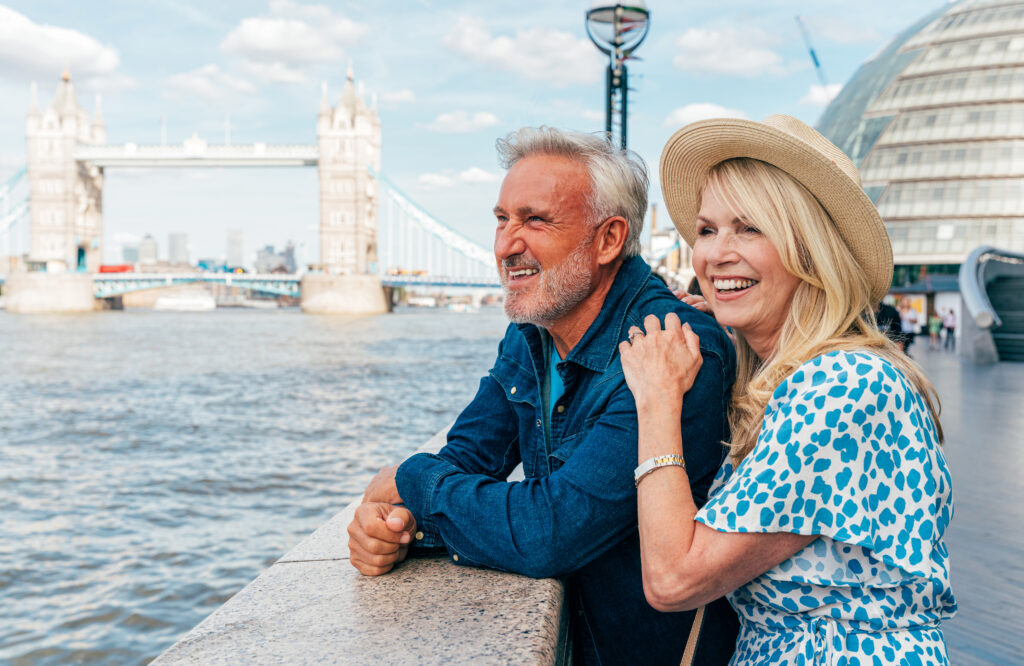
One of the key reasons that planning a trip to the UK feels accessible for first-time international visitors is the UK’s excellent infrastructure. The public transport system, particularly in England, is a real strength, getting between major destinations is easy and efficient. English is the primary language spoken across the country, and you’ll find that travelling here from abroad is a breeze. With London served by five commercial airports, and the whole country well-connected to international flight routes, getting to the UK is easy. And the sheer density of things worth seeing in the UK, all within relatively short distances, means that even a short first trip can pack a real punch.
But what really sets the UK apart is the fact that visitors who arrive with a clear idea of what they want to get from their trip, will really reap the rewards. If you’re here for history and architecture, your trip will look very different to someone who’s more interested in the great outdoors, whisky culture, or literary heritage. By building your trip around your genuine interests, rather than trying to tick off a generic list of famous sights, you’ll get a far stronger and more memorable experience.
How Much Time Do You Need
If you’re looking to get the most out of your first trip to the UK, we’d recommend planning for at least ten to fourteen days. Less than a week in London is enough to see the headline sights, but leaves little room for the hidden corners and quieter areas that really make the city pop. On the other hand, two weeks allows you to spend at least a week in London, and then head out to explore at least one or two other UK destinations, and this is generally considered the perfect structure for a first visit.
If you’ve only got a week, it’s better to prioritise fewer places and spend more time soaking up the atmosphere, rather than trying to rush around and see as much as possible. A week spent exploring London and Edinburgh, or London and the Cotswolds, is almost always going to be more enjoyable than a frenetic circuit of five cities. So resist the temptation to try and pack too much into your itinerary; it’s one of the most common planning pitfalls, and one of the easiest to avoid with a bit of advance thought.
A Suggested Trip Structure
So what does a great first UK trip look like? In our experience, the most reliable structure is to spend the first half of your trip in London, and then head out to one or two other destinations in the second half.
London is a city that warrants at least four or five days on your first visit. Of course, there are the obvious landmarks to see: Westminster, the Tower of London, Buckingham Palace, the British Museum… but it’s also worth allowing at least a day each to explore two or three of London’s really distinct neighbourhoods: Notting Hill, Shoreditch, Greenwich and Borough Market all offer a flavour of London life that you just won’t get in the central tourist circuit. And don’t forget to squeeze in an evening at the theatre, and a river trip along the Thames, both are worth building into your schedule.
Edinburgh is probably the most popular choice for a second UK city, and it’s easy to see why. The Old Town and New Town form one of Europe’s most cohesive and beautiful urban environments, and you can easily spend three or four days exploring the castle, Holyrood, Arthur’s Seat, and the city’s incredible food and whisky scene. The train journey back from London is one of the UK’s great rail experiences in itself.
The Cotswolds are the perfect place to experience the English countryside at its most accessible and most classically appealing. Honey-stone villages, rolling hills, market towns and country pubs are all within easy reach of London by road or rail, and Bourton-on-the-Water, Burford and Chipping Campden are must-sees for anyone who’s here. But if you’ve got a car, the quieter lanes between them are equally rewarding.
Bath and the West Country combine Roman heritage, Georgian architecture, and proximity to Stonehenge with easy access to the dramatic Somerset and Devon coast for anyone who wants to head west.
If you’re visiting the UK as part of a corporate or incentive trip, combining London with a regional destination is also a well-established and highly effective format. Our Destination Management team has local expertise in London, Scotland, the Cotswolds, and beyond, and can help you design seamless multi-destination programmes that move at the right pace for your group.
The Best Ways to Get Around the UK
We’ll be covering all the best ways to get around the UK in a separate section, but for now, we just want to recommend that you take your time, and don’t feel like you need to rush from one destination to the next. With its excellent public transport system and beautiful countryside, the UK is the perfect place to take your time, and enjoy the journey as much as the destination.The Uk’s rail network is by far your best bet for whizzing between major cities, and for first timers, a train is the way to go for a London-Edinburgh or London-Bath journey. Booking ahead will generally cut your costs in half, and the National Rail website and Trainline are the key platforms to use for planning your route and buying tickets.
When it comes to the Cotswolds, the Lake District and most of rural Britain, though, a car hire is your only real option, public transport just doesn’t cut it outside of cities and market towns, and the best bits of the countryside are only really accessible by car. Of course, driving on the left can take a day or two to get used to, so factor that into your early plans.
In London, the Underground is the easiest way to get around, supplemented by buses for shorter journeys and the Elizabeth line for zipping across town. And if you’re out late or lugging a load of bags, taxis and ride-hailing apps are always available.
Common Planning Mistakes First-Timers Make

Trying to cram too many places into too short a time is the most common mistake, and it’s one that can really spoil your trip. Closely related to that is underestimating how long it takes to get from one place to another, the UK may be compact compared to some other countries, but a London to Edinburgh train journey still takes four and a half hours, and a lot longer by road.
Another avoidable mistake is visiting in peak season, when July and August are the busiest months across the country, with higher accommodation prices, longer queues and a more general sense of chaos. Late spring and early autumn, on the other hand, offer near perfect weather with loads fewer crowds and much better availability of hotels and attractions.
Finally, trying to plan London as just a tourist destination, rather than seeing it as a place you can actually live and breathe for a few days, can be a bit of a waste of time. Some of the best UK travel tips for first-timers are the ones that keep things simple: grab a pint at a local pub, spend a morning in a neighbourhood market, take a stroll along the South Bank without a particular destination in mind. Those are the memories that stick with you.
A Well-Planned First Trip: The Difference it Makes
The Uk really does reward some organisation. Visitors who have a rough idea where they’re going, how they’re getting there and what they want to do tend to leave with a very different impression from those who just wing it. A well-planned first trip is also not about having every single hour of the day scheduled – it’s more about having a solid framework that leaves room for a bit of spontaneity.
If you’re planning a first trip to the Uk for yourself, a group, or as part of a corporate programme and could do with some expert advice on where to go, how to get there and when, our Individual & Group Leisure Services team will be happy to help design an itinerary that makes the most of your time and budget. Figures from VisitBritain show inbound visitor numbers to the Uk continue to rise year on year, and it’s the planning that makes all the difference between visiting and really experiencing this great country, now that’s what determines which camp most visitors fall into.