
UK Entry Requirements in 2026: What International Visitors Need to Check Before They Fly
For international visitors setting off for the UK, the time between booking and flying has become a lot more hectic. The rules on entry requirements, border procedures and travel documents have all shifted in the last few years. The gap between those who’ve made sure they’re good to go and those who have not shows up in a big way at the very worst moment: the airport.
Getting the entry bit right is actually pretty straightforward but it does require you get cracking early and making sure you’re using the right information, not just relying on what you did on a previous trip or general advice that may well be out of date. This article covers the key things you need to double check before you fly to the UK in 2026.
First off, check your Passport Validity
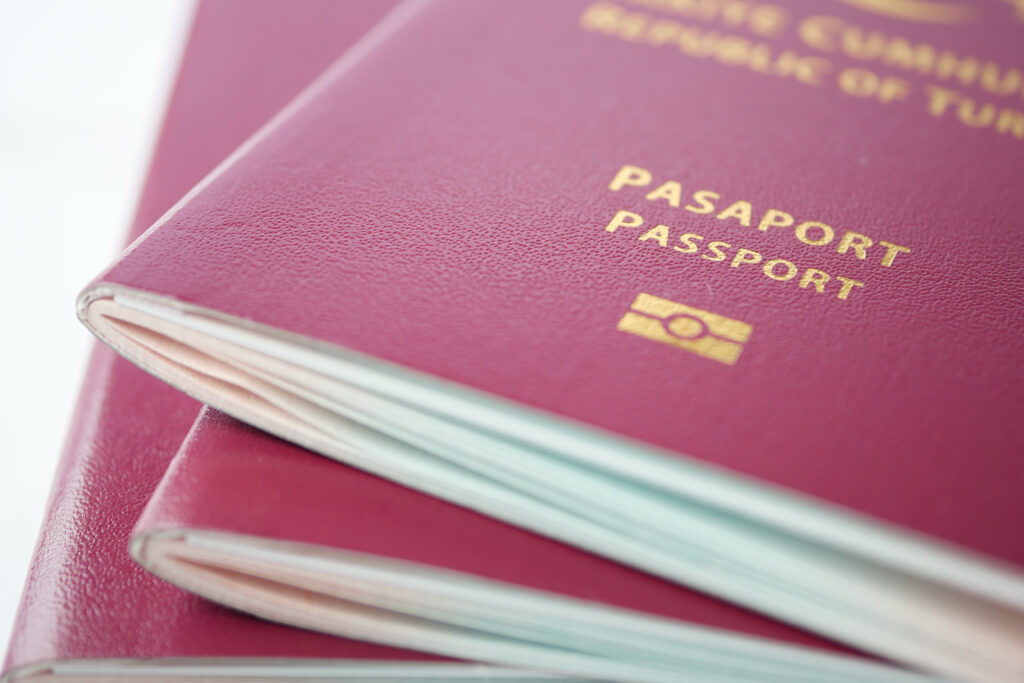
The most obvious check that catches way more people out than it should, is your passport valid for the duration of your stay in the UK. To be honest with you, a number of airlines and travel providers apply more stringent standards, basically that your passport’s got to be good for at least six months beyond the day you’re due to return. That’s more often than not what gets declined at the check-in desk, even if technically the UK requirements are met.
So before you even think about booking your trip, check the expiration date on your passport and do it again several weeks before you fly. Renewing a passport closer to your travel date than you’d hoped is one of the most common causes of stress, and advance checking can sort that out altogether.
Visa Requirements and the UK Electronic Travel Authorisation (ETA)
Where you come from can make a big difference when it comes to getting into the UK. And if you visited in 2021 or earlier, your status might have changed since the UK’s Brexit departure from the EU.
The big thing to know is the UK’s Electronic Travel Authorisation (ETA). This is a bit of a digital permission to travel, linked to your passport. From early 2024, this started to be required before you can board the transport to the UK from certain nationalities. Just to clarify, this isn’t a visa, it won’t change your visa-exempt status, and you don’t need to go see a consul or deal with any documentation. It’s just an online application, takes a couple of hours to a few days to sort out, and will set you back £10.
Nationals from the US, Canada, Australia, the EU and many other countries will all need to sort this ETA out before heading to the UK for short stays. If you’re coming from somewhere that’s not covered by the ETA scheme, on the other hand, you may need a Standard Visitor Visa, and that means going through a more formal application process with longer waiting times.
The best place to check what’s what for your nationality is the UK government’s UKVI guidance , and that updates regularly, so it’s the one place you can be pretty sure is up to date. If you’re coming from a place where the requirements have changed recently, like EU nationals who previously didn’t need to sort out any pre-travel permission, now’s the time to double check your status rather than assuming things are still the same.
According to the UK Civil Aviation Authority, a significant chunk of passenger queries at UK airports revolve around documentation that could have been sorted before you even get to the airport – so getting your entry prepped is both simpler and more reliable that way.
What to Expect at the UK Border
UK border checks happen at all international arrival points, including Heathrow, Gatwick, Manchester, Edinburgh and the Eurostar terminal at St Pancras. For most people, the process will be either the automated e-passport gates or a little chat with a UK Border Force officer.
The e-passport gates are available to passport holders from the UK, EU, US, Canada, Australia and a bunch of other countries, basically if you’re using a biometric passport, you’ll be sorted in a few seconds most of the time. Where manual checks apply, the officers may ask you a few questions about what you’re doing, how long you’re staying for and where you’re going to be staying. Be prepared to answer clearly, and have your accommodation confirmations and your travel plans all sorted.
The customs channel operates separately from immigration: red for stuff to declare, and green for visitors who are well under their allowances for gifts, booze, fags or high-value goods. Just as a tip, the UK’s customs allowances are different to the EU’s – so look into it if you’ve got any goodies you don’t want to get held up on.
Smoothing Your Arrival
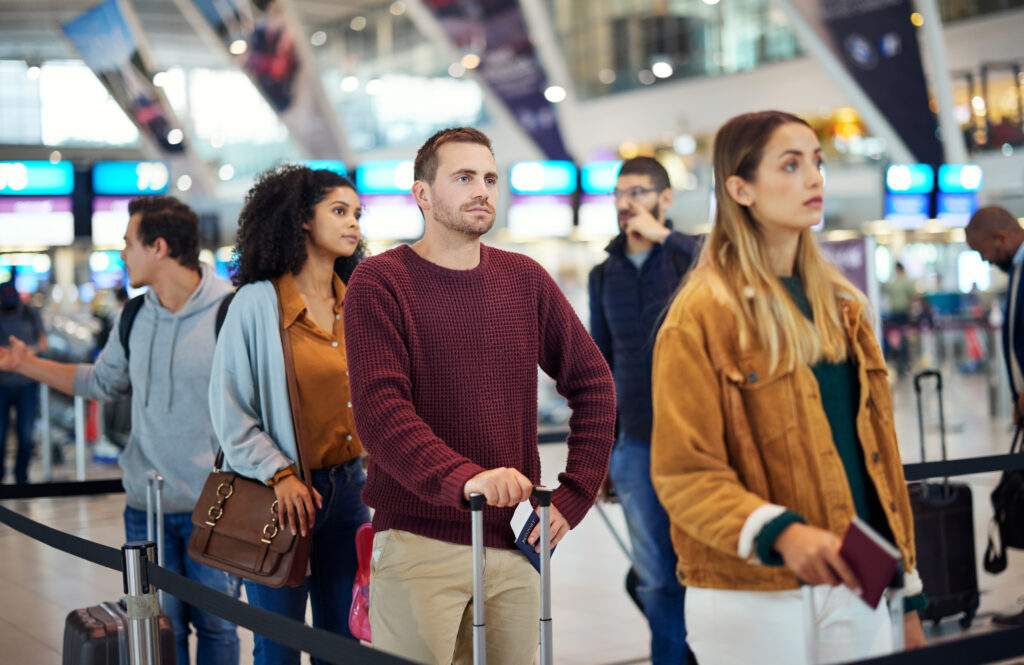
It’s not just about the documents, a few simple things can make the arrival in the UK a whole lot easier. Money: the UK uses the pound (GBP) and while cash is handy, contactless and card payments are the way to go in cities and most of the country. Rather than exchanging currency at the airport, where the rates are always terrible, get a travel-friendly card with no fees for foreign transactions.
Connectivity: mobile signal in the cities and major transport corridors is pretty strong. If you’re going to need data for the whole trip, get an international SIM or an eSIM – they’re widely available.
Plugs: the UK uses the three-pin Type G, which is different to European and North American sockets, so you’ll need a travel adapter. For groups arriving in the UK on a managed program , sorting out the basics beforehand really does take the stress out of those first few hours. Our DMC services make sure everything runs like clockwork from the moment you touch down, with a dedicated meet & greet at the airport and private transfers sorted, so whether you’re arriving at one of Britain’s busy international airports, you don’t have to worry about a thing.
Don’t Make These Common Mistakes
Leaving your ETA or visa applications until the very last minute is probably the most common mistake you can make, especially when application volumes are high and processing times take a lot longer than expected. Having to deal with last-minute visa dramas is just avoidable hassle.
You should never assume that your visa-free access still applies, especially if you’re an EU national or from a country where the UK entry requirements have changed since 2021 : check the rules before booking your flight.
And whatever you do, don’t underplay the arrival logistics at UK’s biggest airports, especially Heathrow when things are busy, queues at peak times can be huge and you don’t want to risk missing your connection.
Preparation is the Key to a Smooth Journey
The UK is one of the world’s top tourist destinations and it’s still a breeze for most nationalities to get into the country. The trick is to get the lowdown on what’s required well in advance, sort out any digital authorisations and make sure you’ve got all the right documents and preparation done before you arrive.
Unique DMC work with travel agents, tour operators and corporate travel managers who book inbound trips to the UK, and we’re happy to lend a hand with the pre-arrival briefing process, whether you’ve got a group or just a few individuals who want to make sure their clients are all set for a hassle free trip.
For the latest & greatest on UK visas and ETAs, the official UK government portal at gov.uk/check-uk-visa is the place to go, it only takes a few minutes to check what you need and it gets updated as requirements change.