


From Vision to Reality: Insider Tips for Organising High-Impact Events
Organising large scale events is a complex and rewarding task that requires meticulous planning and strategic execution. Travel agencies and event planners for corporate clients need to manage logistics, stakeholder coordination and attendee engagement to deliver seamless experiences. This guide outlines the key strategies and expert tips for large scale event planning in the UK and Ireland.
What is a Large Scale Event?

Large scale corporate events, from conferences to incentive travel programs, are different from smaller events due to the scale of logistics, number of attendees and level of coordination required. Key considerations are:
- Venue Size & Accessibility – Choosing locations that can accommodate large groups and have easy transport options.
- Stakeholder Management – Coordinating multiple interests, clients, vendors and sponsors.
- Crowd Flow & Safety – Implementing strategies for smooth navigation and emergency preparedness.
- Effective Communication – Using robust digital tools to keep teams informed.
Understanding these differences helps event planners anticipate the challenges and create solutions that will delight attendees.
Early Planning: Laying the Foundation for Success
Early planning is the key to any successful event. Defining clear objectives, booking venues early and creating a detailed timeline will ensure smooth execution.
Key Early Planning Steps:
- Define Clear Objectives – What is the purpose of the event, is it a leadership summit, networking conference or incentive trip?
- Create an Actionable Checklist – Organise logistics, catering and program details systematically.
- Book Venues & Partners Early – Advance booking gets better rates and availability.
Setting the foundation early minimises last minute issues and maximises event quality.
Building the Right Event Team

A well coordinated team is crucial for large scale event success. Assigning clear roles ensures efficiency and strong collaboration.
Core Event Roles:
- Event Coordinator – Oversees the entire event framework to ensure alignment with corporate goals.
- Logistics Manager – Manages venue setup, transport and technical requirements.
- Marketing & PR Specialist – Promotes the event, drives engagement and communicates with stakeholders.
Clear roles and communication prevents organisational bottlenecks.
Venue Selection and Logistics Management
Choosing the right venue involves balancing accessibility, aesthetics and functionality. Travel agencies should consider:
Essential Venue Selection Criteria:
- Capacity & Layout – Make sure the venue can accommodate large groups.
- Accessibility & Transport Links – Proximity to airports, hotels and public transport is key.
- Flexible Setup Options – Spaces that support different event formats—seminars, workshops, networking zones.
Logistics planning is equally important, transportation arrangements, catering coordination and emergency response strategies in place.
Enhancing Attendee Experience with Creative Setups
Corporate events thrive when attendee engagement is top of mind. Planners should integrate immersive elements that will leave a lasting impression.
Creative Setup Ideas:
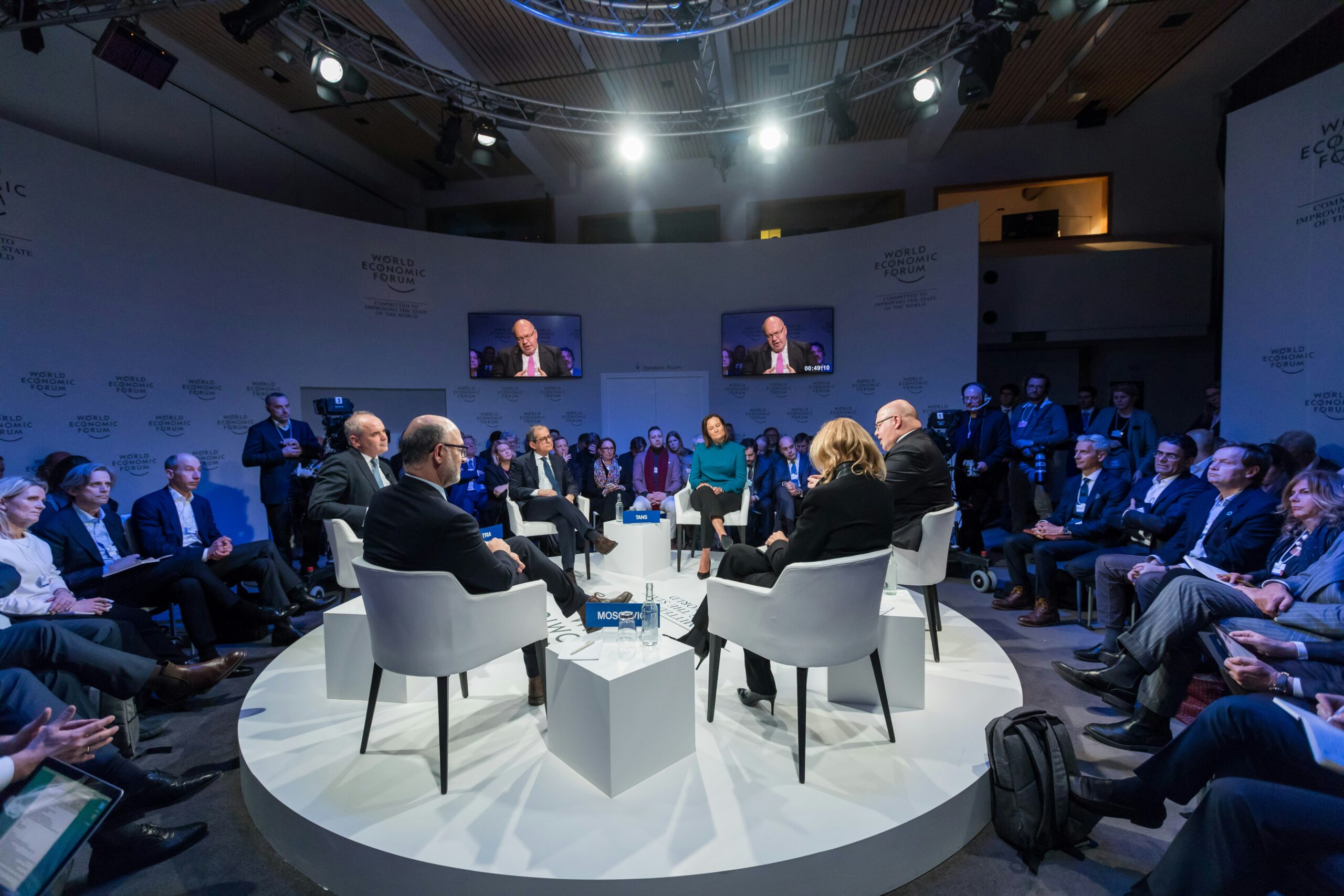
- Dynamic Seating Arrangements – Mix traditional conference seating with lounge areas or open breakout spaces.
- Interactive Exhibits & Tech Zones – Virtual reality booths, live demos or digital engagement stations.
- Brand-Integrated Themes – Decor, presentations and workshops aligned to corporate messaging.
Designing events with creativity in mind encourages networking, participation and positive feedback.
Using Technology for Seamless Event Execution
Incorporating digital solutions streamlines event management and attendee interaction. Recommended tech tools are:
- Event Management Software – Platforms for registration, ticketing and communication.
- Live Streaming & Hybrid Event Features – Accessibility for remote participants.
- Mobile Apps & QR Codes – Simplify check-in and offer real-time event updates.
Using technology makes for efficiency, engagement and overall event impact.
Marketing and Promotion Strategies for Corporate Events
A large scale event relies on strategic marketing and stakeholder engagement. Travel agencies should use:
Multi-Channel Promotion:
- Social Media Campaigns – Build anticipation with interactive posts and event teasers.
- Influencer & Industry Collaborations – Partner with thought leaders to expand reach.
- Personalised Email & Direct Outreach – Strengthen relationships with existing corporate clients.
Marketing should align with target audience preferences to get high attendance and engagement.
Risk Management and Contingency Planning
Anticipating challenges ensures smooth event operations. Event planners must prepare for:
- Safety Protocols – Emergency plans, crowd control measures and health guidelines.
- Backup Logistics – Alternative vendors and venues if changes arise.
- Clear Communication Channels – Rapid response teams to address issues in real time.
Having strong contingency plans protects event integrity and attendee experience.
Onsite Execution: Delivering a Perfect Event
Event Day
Event day requires exceptional coordination and real time problem solving. Focus on:
Day of Execution:
- Final Walkthrough & Setup Checks – Venue ready to go.
- Attendee Experience Optimisation – Clear signage, staff assistance and streamlined registration.
- Live Monitoring & Adaptation – Address issues as they arise to improve flow.
Being prepared means professional execution and great events.
Post Event Evaluation & Continuous Improvement
Evaluating performance helps future events. Travel agencies should:
- Attendee Feedback Surveys – Get feedback on engagement and satisfaction.
- Stakeholder & Sponsor Feedback – Understand business outcomes.
- Performance Metrics – Attendance numbers, engagement levels and logistical efficiency.
Refine event strategies based on data and planners will improve their service and future event success.
Conclusion: Large Scale Events
Large scale corporate events require strategic planning, creative execution and seamless logistics. Travel agency account managers and event planners planning corporate travel to the UK and Ireland should prioritise planning, stakeholder engagement and innovative attendee experiences for success.
By following these expert tips – balancing organisation with creativity – businesses can create unforgettable events that build relationships and drive results.